

Plants that thrive well in vertical gardens
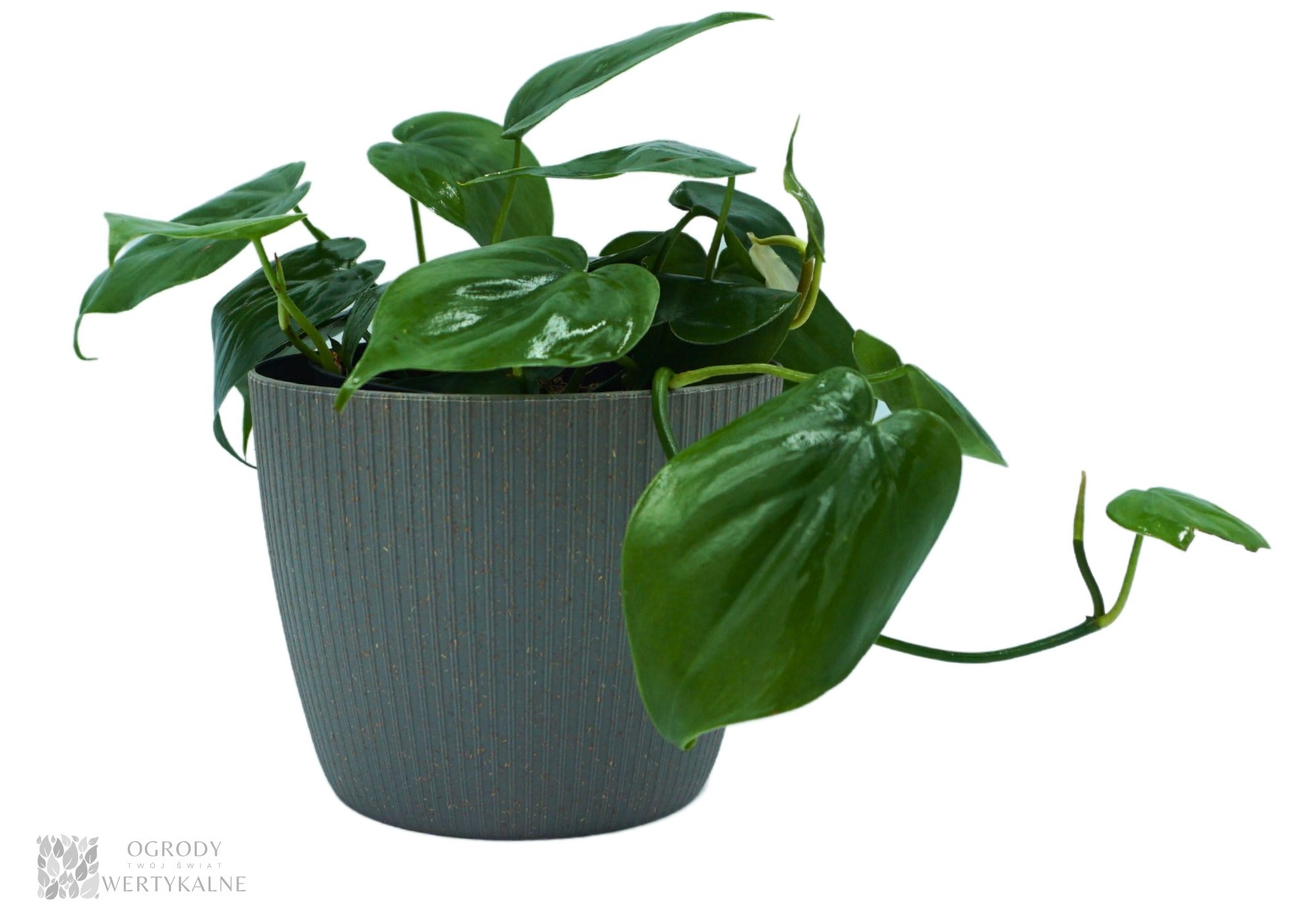
PHILODENDRON SCANDENS
- It absorbs formaldehyde, also known as formic aldehyde. It is one of the most potent disinfectants used in products like creams, soaps, nail polishes, deodorants, and shampoos. Contact with this substance has toxic effects on the respiratory system, immune system, liver, and skin.
- It is a good plant for creating a wall background.
- However, if poorly maintained (lack of fertilization, irregular pruning), after about two years, the Philodendron’s stems may elongate, and leaves can be lost at the base.
- Additionally, the plants may become dwarfed.
AESCHYNANTHUS
- A plant that increases air humidity.
- After being planted in a vertical garden, it tends to lose a significant number of leaves. This is attributed to the density of the plant. When planted vertically, some of the leaves may lose access to light, prompting the plant to shed them quickly.

HEDERA HELIX
- A good air filter.
- It removes harmful substances, primarily formaldehyde, and also eliminates toluene, benzene, xylene, and trichloroethylene.
- It has bactericidal properties and effectively absorbs cigarette smoke, making it suitable for use in smoker’s spaces.
- It reacts poorly to dry air and is often attacked by spider mites. It is challenging to save the plant once it’s affected.

MARANTHA LEUCONEURA
- A good air humidifier.
- It blends beautifully on green walls and thrives when grown in groups.
- Often, when the air in the room is dry, it is attacked by woolly aphids. Regularly spraying it with water can be helpful.
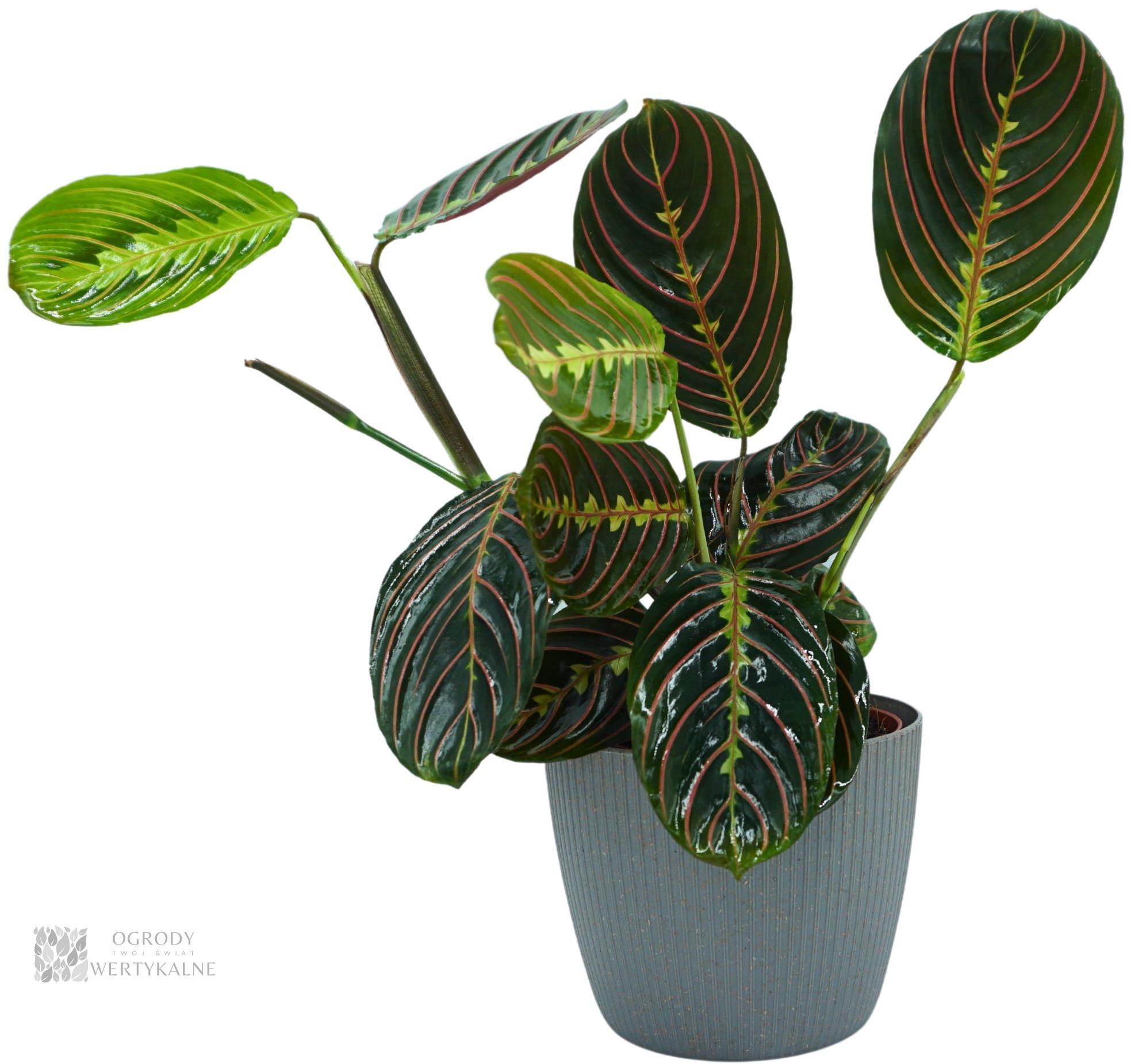
MARANTHA KERVHOVEANA
- Pet-friendly plant.
- Similar to Maranta Leuconeura, it is susceptible to woolly aphids.
Feel free to visit the green wall gallery. You will find plants used in our projects there. We also recommend watching a short film demonstrating how to prepare a plant for planting on a green wall.